Planning a trip?
Discover the best time to visit Kashmir, with month-by-month weather, festivals, and what to do in spring, summer, autumn, and winter.
Kashmir changes its face every few months. Pink almond blossoms, green meadows, golden chinar leaves, and deep white snow each draw a different kind of traveller. So the best time to visit Kashmir depends on what you want from your trip.
Spring (March to May
Spring is when Kashmir wakes up. Almond blossoms appear in March, and the Indira Gandhi Memorial Tulip Garden in Srinagar usually blooms from late March into April, with thousands of tulips across Asia’s largest tulip garden. Days are mild (roughly 10 to 22°C), though evenings stay cool.
Best for: Tulip Garden, Mughal Gardens, Dal Lake shikara rides, photography.
Summer (June to August)
Summer is peak season. Days are pleasant while the rest of India swelters, and the high-altitude meadows of Sonamarg, Pahalgam, and Gulmarg turn lush green. Temperatures typically range from 15 to 30°C. This is the time for trekking, including the Kashmir Great Lakes trek, and for pony rides, rafting on the Lidder river, and camping.
The Amarnath Yatra usually takes place in July and August, which can raise prices and crowd Pahalgam and nearby routes. Book early.
Best for: Families, trekkers, honeymooners, adventure seekers
Autumn (September to November)
Many locals call autumn the most beautiful season. Chinar trees turn gold and crimson, especially in Srinagar’s gardens, and the saffron fields of Pampore flower in late October to early November. The air is crisp, crowds are thinner, and photographers love the light. Temperatures drop from about 20°C in September to near freezing by late November.
Best for: Photography, saffron harvest, peaceful stays, apple orchards.
Winter (December to February)
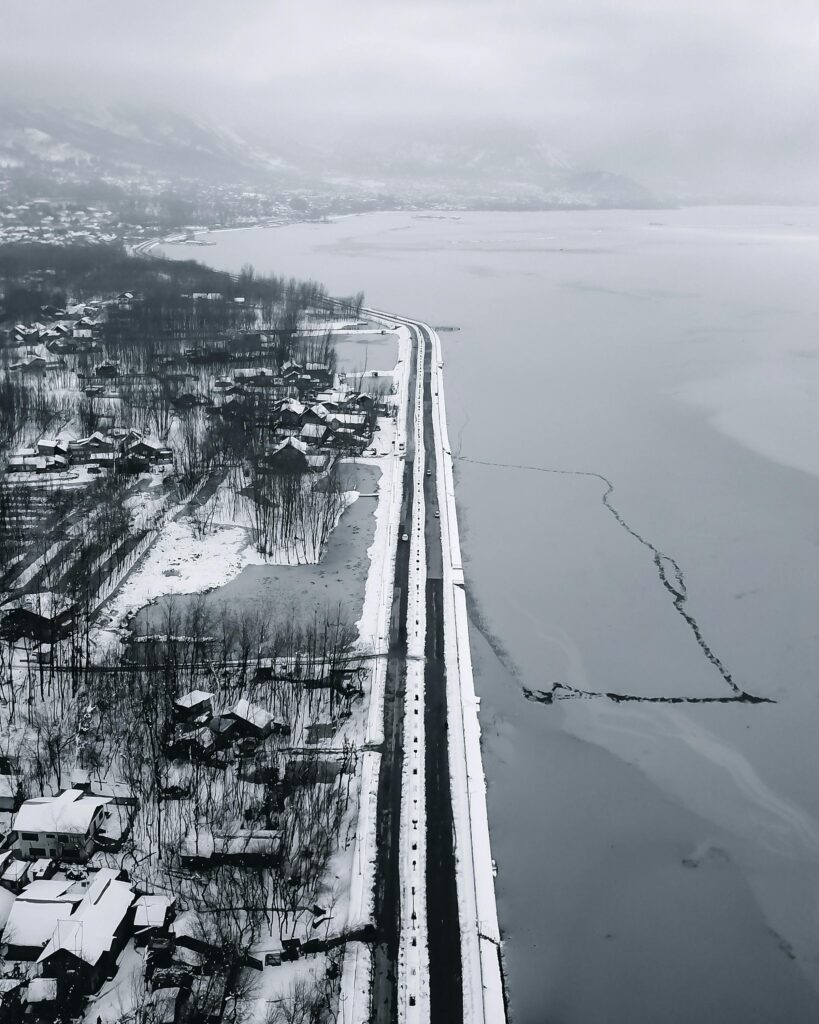
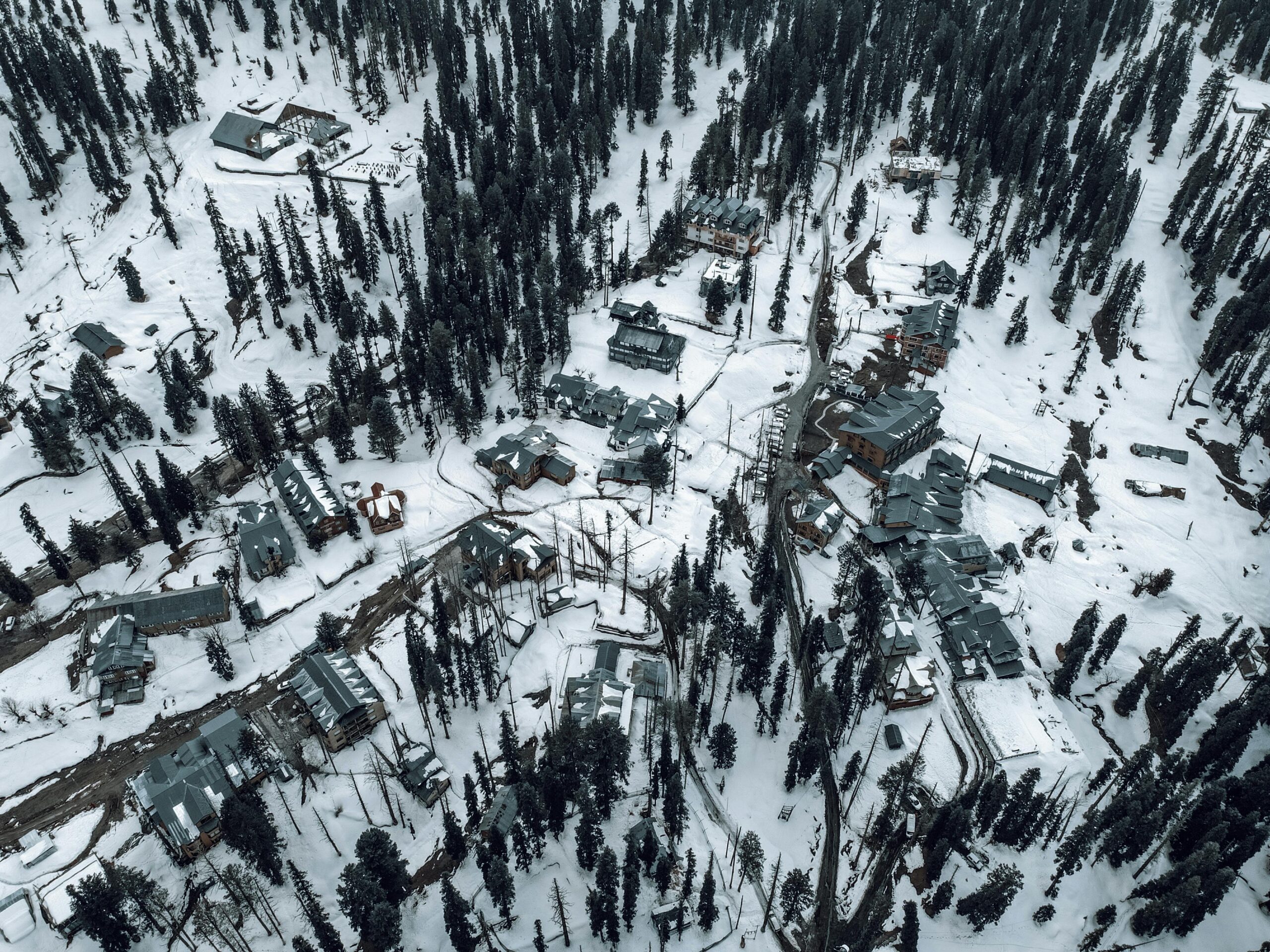
Winter turns Kashmir into a snow wonderland. Gulmarg becomes one of India’s top ski destinations, Pahalgam and Sonamarg wear thick snow, and parts of Dal Lake can freeze in the coldest spells. Chillai Kalan, the harshest 40-day winter period, runs from December 21 to January 31. Temperatures often fall below zero.
Expect occasional road closures after heavy snowfall, and note that Sonamarg access can be limited in deep winter.
Best for: Skiing, snowfall, cozy houseboat stays, winter photography.
Month-by-Month Weather Snapshot
| Month | Typical Temp (°C) | What to Expect |
|---|---|---|
| January | -5 to 6 | Heavy cold, snow, skiing |
| February | -3 to 8 | Snow, ski season continues |
| March | 2 to 14 | Almond blossoms, thaw |
| April | 7 to 20 | Tulips, mild weather |
| May | 11 to 25 | Warm, gardens in bloom |
| June | 15 to 30 | Peak season begins |
| July | 18 to 31 | Green meadows, Yatra season |
| August | 17 to 30 | Trekking, occasional showers |
| September | 12 to 27 | Clear skies, fewer crowds |
| October | 6 to 21 | Autumn colours, saffron |
| November | 1 to 14 | Cold, chinar leaves fall |
| December | -3 to 8 | Snow arrives, ski season |
What to Pack by Season
- Spring: Light woollens, a jacket, comfortable walking shoes.
- Summer: Cotton layers, a light fleece, sunscreen, rain jacket.
- Autumn: Sweaters, a warm jacket, scarf.
- Winter: Thermals, down jacket, gloves, woollen cap, waterproof boots.
FAQs
Is Kashmir safe to visit in winter? Yes, millions of tourists enjoy winter there, but check road conditions and weather alerts, since snowfall can close highways temporarily.
When does it snow in Kashmir? Snow usually starts in December and can continue through February, with Gulmarg often receiving it earliest.
What is the cheapest month to visit Kashmir? November and mid-January to February (outside holiday periods) tend to have lower hotel rates.
How many days are enough? Five to seven days cover Srinagar, Gulmarg, Pahalgam, and Sonamarg comfortably.